The Sanitized Trap of Commercial Theatre
Let’s be honest: the glittering lights of the major theatre districts have become little more than expensive museums for the risk-averse. While the masses flock to see the same three blockbuster musicals for the fifth time, paying prices that could cover a month’s groceries, the real pulse of the city’s culture is beating somewhere else entirely. In my view, if you aren’t looking for theatre in the cracks of your own neighborhood, you aren’t actually seeing theatre—you’re consuming a sterilized product. The true power of the stage doesn’t lie in pyrotechnics or celebrity casting; it lives in the cramped, poorly ventilated, and fiercely ambitious independent spaces tucked away between laundromats and coffee shops.
Finding these spaces is an act of cultural rebellion. It requires moving past the top-tier Google search results and the glossy magazines that only feature venues with massive PR budgets. To find the art that actually has something to say, you have to look for the venues that aren’t afraid to fail. These are the small, independent stages that prioritize voice over volume and community over commerce.
How to Navigate the Neighborhood Underground
Finding a local independent theatre isn’t as simple as checking a major ticketing app, and that’s exactly why it’s worth doing. The hunt is part of the experience. From my perspective, the best way to discover where the real stories are being told is to look for the ‘scars’ on the neighborhood’s physical landscape. Independent theatre rarely happens in a building that was originally designed for it.
Look for Non-Traditional Scars
In many urban environments, the most vital art is happening in repurposed spaces. I have seen more transformative performances in converted garages, basement levels of community centers, and the back rooms of bars than I ever have in a velvet-seated palace. When searching your neighborhood, keep an eye out for these specific markers:
- The DIY Poster Aesthetic: Look for hand-stapled flyers on telephone poles or bulletin boards in local cafes. If the graphic design looks a little raw, the performance likely is too.
- Unconventional Lighting: Walk past that nondescript storefront at 7:00 PM. If you see the glow of stage lights through a window that usually looks like an office, you’ve found a hidden gem.
- The Presence of ‘The Work’: Independent spaces often have a specific energy at the door—a lack of corporate security and an abundance of people who look like they actually live in the zip code.
The Digital vs. Physical Search
While I argue that physical exploration is superior, the digital world can be a tool if used with skepticism. Avoid the ‘Best Of’ lists curated by major news outlets; they are often pay-to-play or focused on the most accessible content. Instead, dive into community forums, local subreddits, or Instagram hashtags specific to your neighborhood’s arts scene. Look for mentions of ‘workshops,’ ‘staged readings,’ or ‘experimental labs.’ These terms are code for theatre that is still dangerous and unpolished.
Identifying the Real Deal
Once you find a space, how do you know if it’s worth your evening? In my experience, the quality of an independent theatre is inversely proportional to the comfort of its seating. If you are sitting on a folding chair or a milk crate, you are likely about to see something that the performers believe in so deeply they don’t care if you’re comfortable. This is where the art is visceral.
A ‘real’ independent space doesn’t try to mimic the polish of a high-budget venue. It leans into its limitations. It uses the proximity of the audience to create an intimacy that is physically impossible in a 1,000-seat house. When you can see the sweat on an actor’s brow and hear their breath from three feet away, the barrier between the story and the spectator evaporates. That is what I believe theatre is meant to be.
The Responsibility of the Local Audience
Finding these spaces is only half the battle; the other half is showing up. We have become a culture of passive consumers, waiting for the ‘algorithm’ to tell us what is good. But independent theatre doesn’t have an algorithm. It has a box office that might be a literal cardboard box. By choosing to spend your twenty dollars at a neighborhood black box instead of a hundred dollars at a touring production, you are directly funding the survival of local culture.
I contend that the health of a city can be measured by the density of its independent stages. These venues serve as the incubators for the next generation of voices, the ones who haven’t yet been told to quiet down by corporate sponsors. When you find a small theatre in your neighborhood, you aren’t just a patron; you are a stakeholder in the creative life of your community.
Final Thoughts: The Choice is Yours
You can continue to buy the overpriced, pre-packaged experiences that the major theatre districts sell you, or you can take a walk down a side street and find something that might actually change your perspective. The small independent theatre spaces are there, hidden in plain sight, waiting for an audience that is brave enough to look for them. In my view, the choice is simple: support the spectacle, or support the soul. I know which one I’m choosing every Friday night.
Related Posts
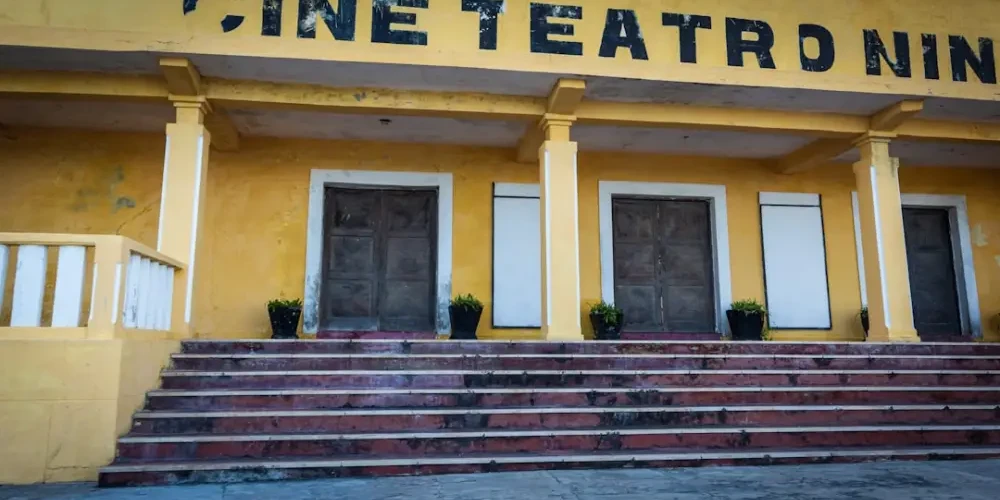
How local theatre helps us rediscover the heart of our city
Discover the cultural soul of your…
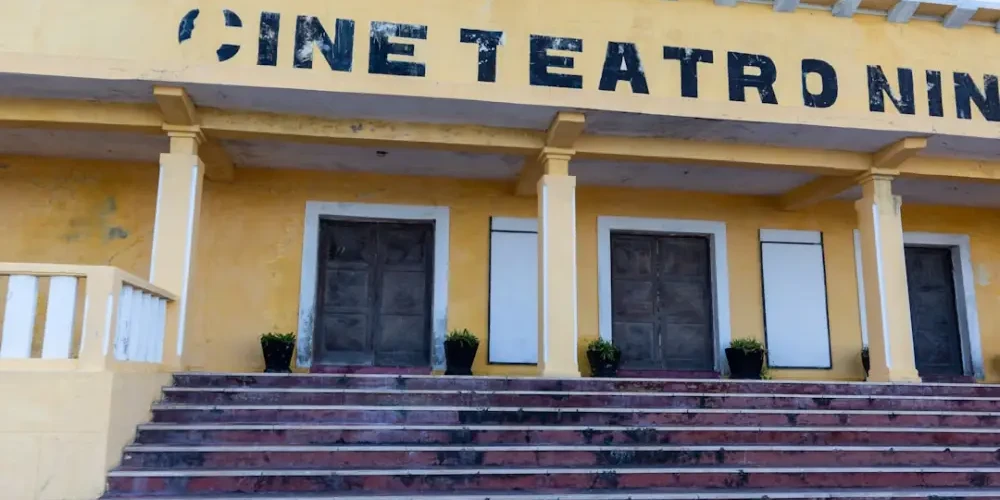
The Rise of Community-Led Stages: NYC’s New Cultural Heart
Explore the quiet evolution of New York…