Reconnecting with the Urban Soul Through the Arts
In the hustle and bustle of modern city life, it is easy to feel disconnected from the very streets we walk every day. We often navigate our neighborhoods like commuters rather than residents, focusing on the shortest route from point A to point B. However, there is a pulse beneath the pavement that many of us overlook: the vibrant, raw, and deeply personal world of local theatre. Unlike the massive, commercial productions that define tourist districts, local theatre serves as the living room of the community. It is a space where the city’s history, diverse voices, and current struggles are put center stage.
Rediscovering the heart of your city starts with stepping off the main thoroughfares and into the intimate black boxes and community centers where stories are told. This isn’t just about entertainment; it is about reclaiming your sense of place and understanding the people who share your zip code.
Why Local Theatre Defines a Neighborhood’s Character
Every neighborhood has a unique DNA—a blend of history, culture, and social dynamics. While chain stores and modern developments often make cities look identical, local theatre preserves the distinct flavor of a community. These stages often tackle themes that are specifically relevant to the local population, from the preservation of historic landmarks to the challenges of modern urban living.
Authentic Stories You Won’t Find Anywhere Else
Mainstream media and large-scale Broadway productions must appeal to a global audience to be profitable. In contrast, local theatre has the freedom to be specific. When a play is written by a neighbor, performed by a local teacher, and set in a familiar park, it creates a mirror for the audience. This specificity allows us to see our city through a new lens, fostering a deeper appreciation for the nuances that make our corner of the world special.
How to Navigate Your Local Theatre Scene: A Practical Guide
If you are ready to explore your city’s cultural landscape but aren’t sure where to start, here is a practical approach to becoming an active participant in your local arts scene. You don’t need a background in drama to appreciate these performances; you just need curiosity.
- Start with Local Arts Councils: Most cities have a municipal arts council or a non-profit organization dedicated to supporting local creators. Their websites often feature calendars that aggregate small-scale productions happening across the city.
- Look for Unconventional Venues: Local theatre isn’t always found in a traditional playhouse. Keep an eye out for performances in libraries, community gardens, or even repurposed warehouses. These unique settings often add a layer of authenticity to the experience.
- Follow Neighborhood Social Media Groups: Neighborhood-specific groups on platforms like Facebook or Nextdoor are goldmines for discovering grassroots performances that might not have a massive advertising budget.
- Attend Pre-Show or Post-Show Discussions: Many community theatres host talk-backs where the audience can engage with the cast and crew. This is an excellent way to learn about the creative process and the local issues that inspired the play.
- Look for “Pay What You Can” Nights: If you are on a budget, many local theatres offer specific nights where ticket prices are flexible. This makes the arts accessible to everyone and ensures a diverse audience.
Tips for Finding the Best “Off-the-Beaten-Path” Shows
Finding the hidden gems requires a bit of detective work. Try visiting local coffee shops or independent bookstores; these businesses often have community boards where flyers for upcoming plays are posted. Additionally, subscribing to the newsletters of small theatre companies ensures you are the first to know about upcoming seasons and experimental workshops that might not be widely publicized.
Building Community Connections Through the Arts
One of the most practical benefits of local theatre is the opportunity for social connection. In an era where digital screens dominate our time, sitting in a room with a group of strangers to witness a live performance is a powerful antidote to isolation. It provides a common ground where people from different walks of life can share an emotional experience.
Strengthening the Local Economy
When you support a local theatre, your money stays within the community. It pays the salaries of local artists, technical crews, and administrative staff who live in your city. Furthermore, a trip to the theatre often includes a visit to a nearby restaurant or bar, creating a ripple effect that supports other small businesses. By choosing local theatre, you are directly contributing to the economic health and cultural vibrancy of your neighborhood.
How to Get Involved Beyond the Audience
If you find that watching isn’t enough, there are many ways to dive deeper into the local theatre world. You don’t have to be an actor to contribute. Here are a few ways to get involved:
- Volunteer Your Skills: Theatres always need help with set construction, costume sewing, marketing, or ushering. It’s a great way to meet people and see the inner workings of a production.
- Join a Board of Directors: If you have experience in finance, law, or management, small theatre non-profits often look for community members to help guide their organizations.
- Participate in Workshops: Many local theatres offer acting, writing, or improv classes for the public. These are fantastic for building confidence and discovering your own creative voice.
Final Thoughts on Reclaiming Your City
Local theatre is more than just a night out; it is a gateway to the soul of your city. By supporting these small stages, you are helping to ensure that your neighborhood remains a place of creativity, empathy, and connection. The next time you feel like your city is just a backdrop to your daily routine, check a local listing, buy a ticket, and let the stories of your neighbors remind you why you fell in love with your city in the first place.
Related Posts
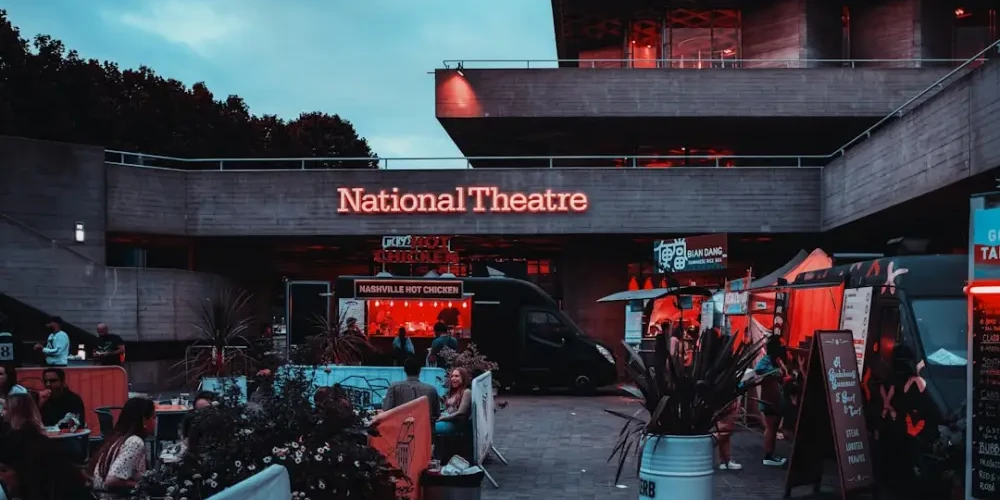
Finding Small Independent Theatre Spaces in Your Neighborhood
Stop wasting money on overpriced…
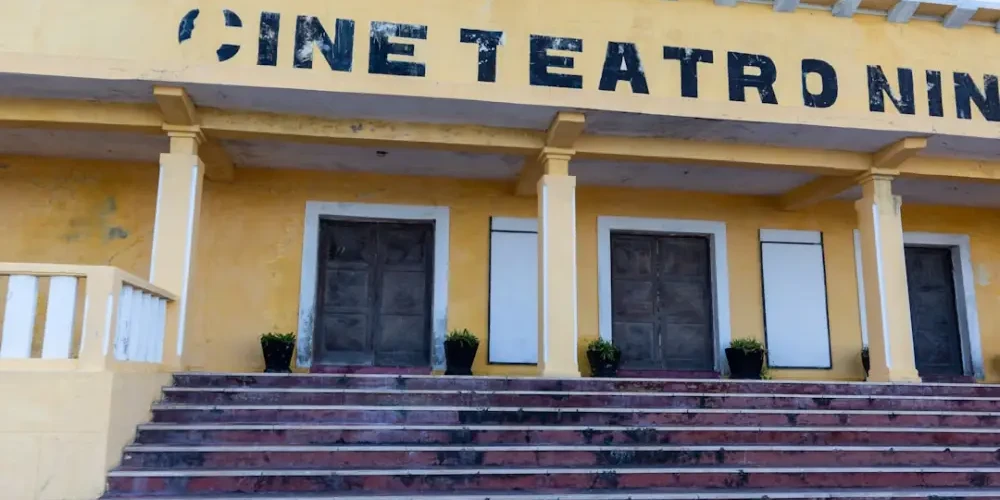
The Rise of Community-Led Stages: NYC’s New Cultural Heart
Explore the quiet evolution of New York…